- posted: Mar. 20, 2026
- Skin Condition, Dermatology, Skin Treatments, Skin Conditions, Skin Care
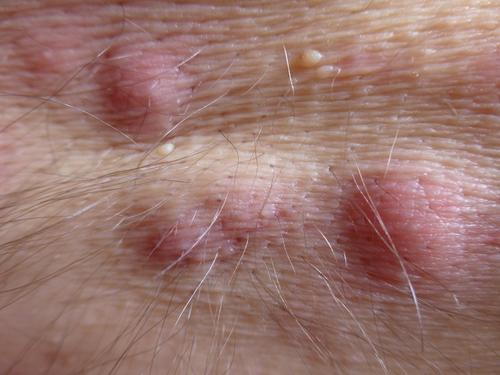
Hidradenitis is a chronic skin condition that can cause painful nodules, abscesses, and recurring inflammation in areas such as the underarms, groin, and inner thighs. At DeBlieck Dermatology in Boise, ID, medical dermatology care focuses on identifying the severity of the condition and building a treatment plan that supports long-term control. Because hidradenitis can progress over time, early and consistent care plays an important role in reducing symptoms and preventing complications.
Understanding How Hidradenitis Develops
Hidradenitis occurs when hair follicles become blocked and inflamed, leading to deep, tender lesions beneath the skin. These areas may drain, form tunnels under the skin, or heal with scarring. Flare-ups often come and go, making the condition difficult to manage without a structured approach.
Factors such as friction, heat, stress, and hormonal changes may contribute to symptom patterns. Identifying these triggers can help guide treatment and daily management.
Medication Options for Symptom Control
Medications are often used to reduce inflammation and manage flare-ups. Topical treatments may help in milder cases, while oral antibiotics or anti-inflammatory medications may be recommended for more persistent symptoms. In some cases, advanced therapies are used to target the underlying inflammatory process.
Treatment plans are adjusted based on how the skin responds, with the goal of reducing both the frequency and severity of flare-ups.
Lifestyle Changes That Support Skin Health
Daily habits can influence how hidradenitis behaves over time. Wearing loose-fitting clothing, reducing friction in affected areas, and maintaining a consistent skincare routine can help minimize irritation. Weight management and stress reduction may also play a role in improving overall symptom control.
Small adjustments in routine can support medical treatment and help reduce the likelihood of new flare-ups.
Procedural Treatment Options
For more advanced cases, in-office procedures may be recommended. These can include draining painful lesions, removing affected tissue, or addressing sinus tracts that develop under the skin. Procedures are selected based on the extent of the condition and the patient’s overall treatment goals.
Combining procedures with medical therapy often provides better long-term results.
When to Seek Dermatologic Care
Persistent pain, recurring lesions, or signs of scarring are indicators that hidradenitis should be evaluated by a dermatologist. Early intervention can help limit progression and improve quality of life.
Hidradenitis Care in Boise, ID
At DeBlieck Dermatology in Boise, ID, patients receive individualized care designed to manage hidradenitis and support healthier skin over time. A combination of medical treatment, lifestyle guidance, and procedural care helps address both symptoms and underlying causes.
To schedule an appointment, call (208) 939-5030 and take the next step toward managing hidradenitis more effectively.
- posted: Mar. 20, 2026
- Skin Condition, Dermatology, Skin Treatments, Skin Conditions, Skin Care
Hidradenitis is a chronic skin condition that can cause painful nodules, abscesses, and recurring inflammation in areas such as the underarms, groin, and inner thighs. At DeBlieck Dermatology in Boise, ID, medical dermatology care focuses on identifying the severity of the condition and building a treatment plan that supports long-term control. Because hidradenitis can progress over time, early and consistent care plays an important role in reducing symptoms and preventing complications.
Understanding How Hidradenitis Develops
Hidradenitis occurs when hair follicles become blocked and inflamed, leading to deep, tender lesions beneath the skin. These areas may drain, form tunnels under the skin, or heal with scarring. Flare-ups often come and go, making the condition difficult to manage without a structured approach.
Factors such as friction, heat, stress, and hormonal changes may contribute to symptom patterns. Identifying these triggers can help guide treatment and daily management.
Medication Options for Symptom Control
Medications are often used to reduce inflammation and manage flare-ups. Topical treatments may help in milder cases, while oral antibiotics or anti-inflammatory medications may be recommended for more persistent symptoms. In some cases, advanced therapies are used to target the underlying inflammatory process.
Treatment plans are adjusted based on how the skin responds, with the goal of reducing both the frequency and severity of flare-ups.
Lifestyle Changes That Support Skin Health
Daily habits can influence how hidradenitis behaves over time. Wearing loose-fitting clothing, reducing friction in affected areas, and maintaining a consistent skincare routine can help minimize irritation. Weight management and stress reduction may also play a role in improving overall symptom control.
Small adjustments in routine can support medical treatment and help reduce the likelihood of new flare-ups.
Procedural Treatment Options
For more advanced cases, in-office procedures may be recommended. These can include draining painful lesions, removing affected tissue, or addressing sinus tracts that develop under the skin. Procedures are selected based on the extent of the condition and the patient’s overall treatment goals.
Combining procedures with medical therapy often provides better long-term results.
When to Seek Dermatologic Care
Persistent pain, recurring lesions, or signs of scarring are indicators that hidradenitis should be evaluated by a dermatologist. Early intervention can help limit progression and improve quality of life.
Hidradenitis Care in Boise, ID
At DeBlieck Dermatology in Boise, ID, patients receive individualized care designed to manage hidradenitis and support healthier skin over time. A combination of medical treatment, lifestyle guidance, and procedural care helps address both symptoms and underlying causes.
To schedule an appointment, call (208) 939-5030 and take the next step toward managing hidradenitis more effectively.