- posted: Nov. 30, 2025
- Skin Care, Dermatology, Skin Conditions
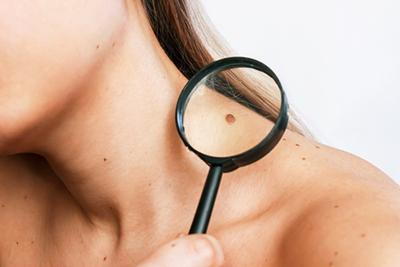
Skin cancer is highly treatable when detected early, which is why understanding what to look for can make a meaningful difference in your long-term health. At DeBlieck Dermatology in Boise, ID, Dr. Jennifer (Jan) DeBlieck encourages patients to perform regular self-exams at home and schedule professional skin checks to identify suspicious spots before they progress. One of the most reliable tools for early detection is the ABCDE method, a simple way to recognize warning signs of melanoma.
A Is for Asymmetry
Healthy moles are usually symmetrical, meaning both halves look similar when divided down the center. If one side appears noticeably different in shape, color, or thickness, it should be evaluated by a professional. Asymmetry may signal abnormal cell activity, especially when it develops suddenly or continues to evolve.
B Is for Border
Benign moles typically have smooth, clearly defined edges. Skin cancer may create borders that appear jagged, scalloped, fuzzy, or uneven. These irregular outlines can start subtly, so watching for gradual shifts over several months is important.
C Is for Color
A mole with one consistent shade is usually less worrisome. Spots showing multiple tones, including tan, brown, black, red, white, or blue, may indicate melanoma. New streaks of pigment or uneven coloration should be evaluated by a dermatologist, particularly if the mole once looked uniform.
D Is for Diameter
Although melanoma can appear smaller, many measure more than six millimeters across, roughly the size of a pencil eraser. Any spot that continues to enlarge or change its outline deserves medical attention, regardless of size. Ongoing growth is often one of the clearest warning signs.
E Is for Evolving
Moles that change are the ones dermatologists are most concerned about. Evolution may involve texture, elevation, color, shape, itching, bleeding, or crusting. Even a long-standing mole can become dangerous, so monitoring what is typical for your skin helps identify changes early.
When to Visit a Dermatologist
Finding a spot that fits one or more ABCDE criteria does not automatically mean skin cancer, but it does mean you should schedule a professional evaluation. Dermatologists use dermoscopy, medical history, and biopsy when appropriate to confirm a diagnosis. Routine skin exams are especially important for individuals with a family history of melanoma, significant sun exposure, fair skin, or numerous moles.
Protecting Your Skin With Expert Care in Boise, ID
Early diagnosis remains the most effective way to treat skin cancer. At DeBlieck Dermatology in Boise, ID, Dr. Jennifer DeBlieck offers thorough skin exams, patient education, and individualized treatment plans designed to protect both health and peace of mind. Whether you have noticed a changing mole or simply want preventive care, a professional evaluation is an essential step.
To schedule a skin cancer screening, call DeBlieck Dermatology in Boise, ID, at (208) 939-5030. Your skin deserves expert attention, and early awareness can help safeguard your health for years to come.
- posted: Nov. 30, 2025
- Skin Care, Dermatology, Skin Conditions
Skin cancer is highly treatable when detected early, which is why understanding what to look for can make a meaningful difference in your long-term health. At DeBlieck Dermatology in Boise, ID, Dr. Jennifer (Jan) DeBlieck encourages patients to perform regular self-exams at home and schedule professional skin checks to identify suspicious spots before they progress. One of the most reliable tools for early detection is the ABCDE method, a simple way to recognize warning signs of melanoma.
A Is for Asymmetry
Healthy moles are usually symmetrical, meaning both halves look similar when divided down the center. If one side appears noticeably different in shape, color, or thickness, it should be evaluated by a professional. Asymmetry may signal abnormal cell activity, especially when it develops suddenly or continues to evolve.
B Is for Border
Benign moles typically have smooth, clearly defined edges. Skin cancer may create borders that appear jagged, scalloped, fuzzy, or uneven. These irregular outlines can start subtly, so watching for gradual shifts over several months is important.
C Is for Color
A mole with one consistent shade is usually less worrisome. Spots showing multiple tones, including tan, brown, black, red, white, or blue, may indicate melanoma. New streaks of pigment or uneven coloration should be evaluated by a dermatologist, particularly if the mole once looked uniform.
D Is for Diameter
Although melanoma can appear smaller, many measure more than six millimeters across, roughly the size of a pencil eraser. Any spot that continues to enlarge or change its outline deserves medical attention, regardless of size. Ongoing growth is often one of the clearest warning signs.
E Is for Evolving
Moles that change are the ones dermatologists are most concerned about. Evolution may involve texture, elevation, color, shape, itching, bleeding, or crusting. Even a long-standing mole can become dangerous, so monitoring what is typical for your skin helps identify changes early.
When to Visit a Dermatologist
Finding a spot that fits one or more ABCDE criteria does not automatically mean skin cancer, but it does mean you should schedule a professional evaluation. Dermatologists use dermoscopy, medical history, and biopsy when appropriate to confirm a diagnosis. Routine skin exams are especially important for individuals with a family history of melanoma, significant sun exposure, fair skin, or numerous moles.
Protecting Your Skin With Expert Care in Boise, ID
Early diagnosis remains the most effective way to treat skin cancer. At DeBlieck Dermatology in Boise, ID, Dr. Jennifer DeBlieck offers thorough skin exams, patient education, and individualized treatment plans designed to protect both health and peace of mind. Whether you have noticed a changing mole or simply want preventive care, a professional evaluation is an essential step.
To schedule a skin cancer screening, call DeBlieck Dermatology in Boise, ID, at (208) 939-5030. Your skin deserves expert attention, and early awareness can help safeguard your health for years to come.