- posted: Sep. 18, 2025
- Skin Condition
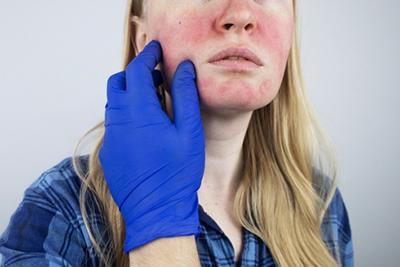
Rosacea is more than occasional facial redness. It’s a chronic skin condition that can cause flushing, visible blood vessels, bumps, and irritation that may be uncomfortable and make people unhappy with how they look. While there’s no permanent cure, dermatologists today have a wide range of therapies to control flare-ups and improve skin appearance. At DeBlieck Dermatology in Boise, Dr. Jennifer (Jan) DeBlieck helps patients find treatment strategies that fit their specific symptoms and lifestyle.
Understanding Rosacea Triggers
Before diving into treatment, it’s important to identify what makes rosacea worse. Common triggers include sunlight, spicy foods, hot drinks, stress, and even certain skincare products. By tracking flare-up patterns, patients and dermatologists can pinpoint avoidable triggers and reduce daily irritation.
Topical and Oral Medications
Topical medications are often the first line of defense. These prescription creams and gels reduce redness, calm inflammation, and minimize bumps. For more persistent cases, oral medications, such as low-dose antibiotics or other anti-inflammatory options, may be used to bring flare-ups under control.
Light and Laser Therapies
For patients struggling with visible blood vessels or chronic redness, light-based treatments can make a significant difference. Intense pulsed light (IPL) and laser therapies target the small facial vessels that contribute to flushing, leaving skin clearer and more even in tone. These procedures are non-invasive and can be performed right in the office.
Skincare That Supports Healing
Everyday care also matters. Using gentle, dermatologist-recommended cleansers and moisturizers helps protect the skin barrier and reduce sensitivity. Dr. DeBlieck often works with patients to design simple, sustainable skincare routines that complement medical therapies.
Long-Term Management With Professional Support
Since rosacea tends to come and go, management must be done on an ongoing basis. Regular follow-ups at DeBlieck Dermatology allow adjustments to be made as symptoms change, ensuring treatment remains effective over time. With the right combination of therapies and lifestyle strategies, most patients see significant improvements in both skin health and quality of life. To schedule your visit, call the office of Dr. Jennifer (Jan) DeBlieck in Boise, Idaho, at (208) 939-5030.
- posted: Sep. 18, 2025
- Skin Condition
Rosacea is more than occasional facial redness. It’s a chronic skin condition that can cause flushing, visible blood vessels, bumps, and irritation that may be uncomfortable and make people unhappy with how they look. While there’s no permanent cure, dermatologists today have a wide range of therapies to control flare-ups and improve skin appearance. At DeBlieck Dermatology in Boise, Dr. Jennifer (Jan) DeBlieck helps patients find treatment strategies that fit their specific symptoms and lifestyle.
Understanding Rosacea Triggers
Before diving into treatment, it’s important to identify what makes rosacea worse. Common triggers include sunlight, spicy foods, hot drinks, stress, and even certain skincare products. By tracking flare-up patterns, patients and dermatologists can pinpoint avoidable triggers and reduce daily irritation.
Topical and Oral Medications
Topical medications are often the first line of defense. These prescription creams and gels reduce redness, calm inflammation, and minimize bumps. For more persistent cases, oral medications, such as low-dose antibiotics or other anti-inflammatory options, may be used to bring flare-ups under control.
Light and Laser Therapies
For patients struggling with visible blood vessels or chronic redness, light-based treatments can make a significant difference. Intense pulsed light (IPL) and laser therapies target the small facial vessels that contribute to flushing, leaving skin clearer and more even in tone. These procedures are non-invasive and can be performed right in the office.
Skincare That Supports Healing
Everyday care also matters. Using gentle, dermatologist-recommended cleansers and moisturizers helps protect the skin barrier and reduce sensitivity. Dr. DeBlieck often works with patients to design simple, sustainable skincare routines that complement medical therapies.
Long-Term Management With Professional Support
Since rosacea tends to come and go, management must be done on an ongoing basis. Regular follow-ups at DeBlieck Dermatology allow adjustments to be made as symptoms change, ensuring treatment remains effective over time. With the right combination of therapies and lifestyle strategies, most patients see significant improvements in both skin health and quality of life. To schedule your visit, call the office of Dr. Jennifer (Jan) DeBlieck in Boise, Idaho, at (208) 939-5030.