- posted: Jun. 13, 2025
- Skin Condition
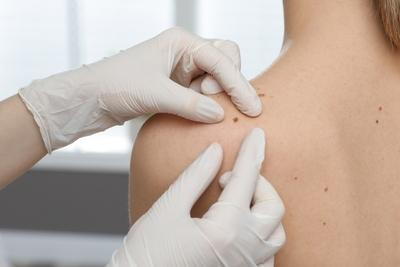
Skin cancer is one of the most common types of cancer, but when detected early, it is highly treatable. Understanding how to identify potentially problematic moles is one of the basic skills for maintaining skin health. Dr. Jan DeBlieck and our team at DeBlieck Dermatology in Boise, Idaho, emphasize the importance of regular skin checks and educating our patients about the ABCDEs of skin cancer. This simple acronym can help you recognize warning signs and take proactive steps toward your health.
A is for Asymmetry
The first letter in the ABCDEs stands for asymmetry. When examining a mole, consider whether one half looks different from the other. A healthy mole is typically symmetrical, meaning that if you were to draw a line through the middle, the two sides would mirror each other. If you notice that one side of a mole appears different in shape compared to the other, it may be a cause for concern and should be evaluated by a dermatologist.
B is for Border
The next letter, B, refers to the border of the mole. A benign mole usually has smooth, even borders. However, a mole that is irregular, jagged, or blurred at the edges may indicate a problem. Uneven borders can be a sign of melanoma, the most serious form of skin cancer. If you observe any irregularities in the borders of a mole, seek a professional evaluation at DeBlieck Dermatology.
C is for Color
Color is another critical factor to consider when assessing moles. A healthy mole typically has a uniform color, such as brown or tan. However, if you notice multiple colors within a single mole, such as shades of brown, black, red, white, or blue, this is a warning sign. Variations in color can indicate that a mole is changing and may require further investigation.
D is for Diameter
The diameter of a mole is also an important consideration. While most benign moles are smaller than a pencil eraser (about 6 millimeters), larger moles can be a cause for concern. If you notice a mole that is growing or is larger than 6 millimeters, schedule an appointment with Dr. DeBlieck.
E is for Evolving
The final letter, E, stands for evolving. This refers to any changes in a mole over time. If you notice that a mole is changing in size, shape, color, or texture, you need to take action. Moles that evolve or exhibit new symptoms, such as itching, bleeding, or crusting, should be evaluated promptly in our Boise, Idaho, office.
Taking Action: Regular Skin Checks
In addition to being aware of the ABCDEs, it’s a good idea to schedule regular skin checks with a dermatologist. At DeBlieck Dermatology, we recommend annual skin examinations, especially for people with a history of skin cancer or those with a higher risk due to factors such as fair skin, a family history of skin cancer, or excessive sun exposure.
Protect Yourself from Skin Cancer
Being proactive about your skin health is essential for early detection and prevention of skin cancer. By familiarizing yourself with the ABCDEs of skin cancer, you can take charge of your skin health and identify potential issues early on. If you have any concerns about a mole or notice any changes in your skin, don’t hesitate to contact DeBlieck Dermatology in Boise, Idaho. You can reach the office of Dr. Jan DeBlieck at (208) 939-5030
- posted: Jun. 13, 2025
- Skin Condition
Skin cancer is one of the most common types of cancer, but when detected early, it is highly treatable. Understanding how to identify potentially problematic moles is one of the basic skills for maintaining skin health. Dr. Jan DeBlieck and our team at DeBlieck Dermatology in Boise, Idaho, emphasize the importance of regular skin checks and educating our patients about the ABCDEs of skin cancer. This simple acronym can help you recognize warning signs and take proactive steps toward your health.
A is for Asymmetry
The first letter in the ABCDEs stands for asymmetry. When examining a mole, consider whether one half looks different from the other. A healthy mole is typically symmetrical, meaning that if you were to draw a line through the middle, the two sides would mirror each other. If you notice that one side of a mole appears different in shape compared to the other, it may be a cause for concern and should be evaluated by a dermatologist.
B is for Border
The next letter, B, refers to the border of the mole. A benign mole usually has smooth, even borders. However, a mole that is irregular, jagged, or blurred at the edges may indicate a problem. Uneven borders can be a sign of melanoma, the most serious form of skin cancer. If you observe any irregularities in the borders of a mole, seek a professional evaluation at DeBlieck Dermatology.
C is for Color
Color is another critical factor to consider when assessing moles. A healthy mole typically has a uniform color, such as brown or tan. However, if you notice multiple colors within a single mole, such as shades of brown, black, red, white, or blue, this is a warning sign. Variations in color can indicate that a mole is changing and may require further investigation.
D is for Diameter
The diameter of a mole is also an important consideration. While most benign moles are smaller than a pencil eraser (about 6 millimeters), larger moles can be a cause for concern. If you notice a mole that is growing or is larger than 6 millimeters, schedule an appointment with Dr. DeBlieck.
E is for Evolving
The final letter, E, stands for evolving. This refers to any changes in a mole over time. If you notice that a mole is changing in size, shape, color, or texture, you need to take action. Moles that evolve or exhibit new symptoms, such as itching, bleeding, or crusting, should be evaluated promptly in our Boise, Idaho, office.
Taking Action: Regular Skin Checks
In addition to being aware of the ABCDEs, it’s a good idea to schedule regular skin checks with a dermatologist. At DeBlieck Dermatology, we recommend annual skin examinations, especially for people with a history of skin cancer or those with a higher risk due to factors such as fair skin, a family history of skin cancer, or excessive sun exposure.
Protect Yourself from Skin Cancer
Being proactive about your skin health is essential for early detection and prevention of skin cancer. By familiarizing yourself with the ABCDEs of skin cancer, you can take charge of your skin health and identify potential issues early on. If you have any concerns about a mole or notice any changes in your skin, don’t hesitate to contact DeBlieck Dermatology in Boise, Idaho. You can reach the office of Dr. Jan DeBlieck at (208) 939-5030