- posted: May 07, 2025
- Skin Treatments
Most moles are harmless, but some changes in appearance or behavior can signal a more serious skin concern. At DeBlieck Dermatology in Boise, ID, Dr. Jennifer DeBlieck provides expert evaluations to help patients monitor their moles and detect potential skin cancer early. Understanding what to watch for can make all the difference in protecting your health.
Understanding Moles
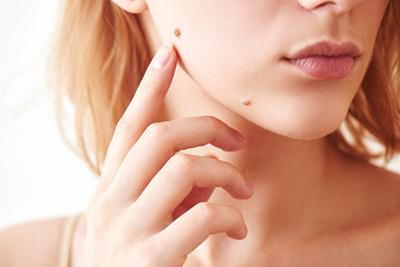
Moles, or nevi, are clusters of pigment cells that usually appear as small, dark spots on the skin. They can be flat or raised and vary in color, size, and shape. Most moles occur in childhood or adolescence, but some occur later in life. Suspicious or changing moles always need to be checked.
Warning Signs to Watch For
The ABCDE rule is one of the most effective ways to check a mole. If a mole is not symmetrical, has irregular edges, shows more than one color, is larger than the tip of a pencil eraser, or changes, a dermatologist should check it.
Other warning signals are a mole that develops during adulthood, particularly if it seems different from moles elsewhere on the body. Itching, bleeding, or pain in a mole for which there appears to be no explanation is also a cause for alarm. A rapidly growing mole or one dissimilar, often called the "ugly duckling," should be evaluated.
What Causes Moles to Change
Moles can be altered through exposure to the sun, hormonal adjustments with puberty or pregnancy, or, in extreme situations, melanoma, an illness of the skin that leads to cancer. Risks could be minimized with regular protection against the sun and skin checks.
When to See a Dermatologist
Schedule an appointment with a dermatologist if you notice changes in an existing mole or if a new, unusual spot appears. Moles accompanied by discomfort, bleeding, or rapid growth should never be ignored. Regular skin exams are especially important if you have a personal or family history of skin cancer.
Protecting Your Skin
Staying proactive with your skin health means practicing sun safety and monitoring your skin regularly. Use sunscreen with SPF 30 or higher daily, avoid tanning beds, and wear protective clothing outdoors. Perform monthly self-exams to become familiar with your skin and notice any changes early.
Expert Skin Care in Boise
If you’re concerned about a mole or want a professional skin check, DeBlieck Dermatology in Boise, ID, is here to help. Call (208) 939-5030 today to schedule an appointment with Dr. Jennifer DeBlieck and take a confident step toward protecting your skin health.
- posted: May 07, 2025
- Skin Treatments
Most moles are harmless, but some changes in appearance or behavior can signal a more serious skin concern. At DeBlieck Dermatology in Boise, ID, Dr. Jennifer DeBlieck provides expert evaluations to help patients monitor their moles and detect potential skin cancer early. Understanding what to watch for can make all the difference in protecting your health.
Understanding Moles
Moles, or nevi, are clusters of pigment cells that usually appear as small, dark spots on the skin. They can be flat or raised and vary in color, size, and shape. Most moles occur in childhood or adolescence, but some occur later in life. Suspicious or changing moles always need to be checked.
Warning Signs to Watch For
The ABCDE rule is one of the most effective ways to check a mole. If a mole is not symmetrical, has irregular edges, shows more than one color, is larger than the tip of a pencil eraser, or changes, a dermatologist should check it.
Other warning signals are a mole that develops during adulthood, particularly if it seems different from moles elsewhere on the body. Itching, bleeding, or pain in a mole for which there appears to be no explanation is also a cause for alarm. A rapidly growing mole or one dissimilar, often called the "ugly duckling," should be evaluated.
What Causes Moles to Change
Moles can be altered through exposure to the sun, hormonal adjustments with puberty or pregnancy, or, in extreme situations, melanoma, an illness of the skin that leads to cancer. Risks could be minimized with regular protection against the sun and skin checks.
When to See a Dermatologist
Schedule an appointment with a dermatologist if you notice changes in an existing mole or if a new, unusual spot appears. Moles accompanied by discomfort, bleeding, or rapid growth should never be ignored. Regular skin exams are especially important if you have a personal or family history of skin cancer.
Protecting Your Skin
Staying proactive with your skin health means practicing sun safety and monitoring your skin regularly. Use sunscreen with SPF 30 or higher daily, avoid tanning beds, and wear protective clothing outdoors. Perform monthly self-exams to become familiar with your skin and notice any changes early.
Expert Skin Care in Boise
If you’re concerned about a mole or want a professional skin check, DeBlieck Dermatology in Boise, ID, is here to help. Call (208) 939-5030 today to schedule an appointment with Dr. Jennifer DeBlieck and take a confident step toward protecting your skin health.